
A TikTok ban was passed by the House. Here's what could happen next.
A bill that could ultimately ban TikTok in the U.S. will soon head for a vote in the Senate. Here's what experts say to expect next.
Watch CBS News

A bill that could ultimately ban TikTok in the U.S. will soon head for a vote in the Senate. Here's what experts say to expect next.
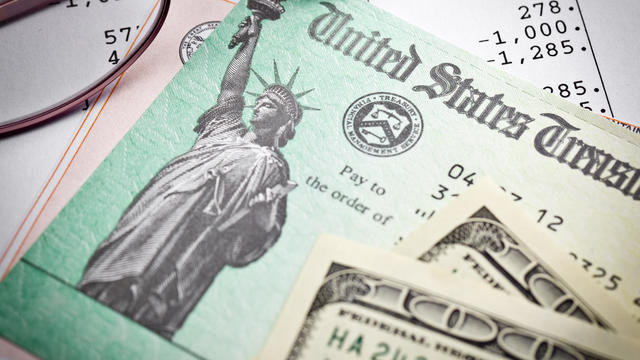
Millions of Americans filed their taxes during the last two weeks of this year's tax season. Here's how to find out when you'll get your refund.

A "concierge service" that lets paying members bypass airport security lines is unfair to other travelers, California lawmaker says.

Over half of U.S. counties face potentially higher utility expenses as the mercury rises, a new analysis finds.

Proposed deal "threatens to deprive consumers of the competition for affordable handbags," federal agency says.

Foreign automakers dominate U.S. News' list of the best new EVs and hybrids, while Tesla is shut out.

Ohio-based clothing retailer intends to use bankruptcy process to facilitate sale of company to WHP Global.

Cancer, heart disease, respiratory illnesses and kidney dysfunction among the health consequences of a warming planet.
Designer whose accessories were worn by characters in "Sex and the City" TV series sentenced to 18 months in prison.

5.55% is an impressive high-yield savings account interest rate. But how much money would you earn with it?

If you're in your 80s, you may be wondering if you can still qualify for long-term care insurance. Find out here.

Considering investing in physical gold? Here are three reasons why you should do so this month.

Tesla accounted for 80% of electric vehicle sales in the U.S. in 2020, but that figure fell to 55% last year.

The generative artificial intelligence boom has led to the emergence of romantic companion bots.

Apple said it will stop selling the devices later this month in order to comply with a U.S. import ban.

Alex Jones, the conspiracy theorist known for his fake news site InfoWars and his false denial of the Sandy Hook massacre, was permanently banned from Twitter in 2018.

More than 90 million consumers will scan a QR code this year. But the technology can also facilitate identity theft.
The billionaire owner of X took a defensive tone, saying that "the whole world will know that those advertisers killed the company."
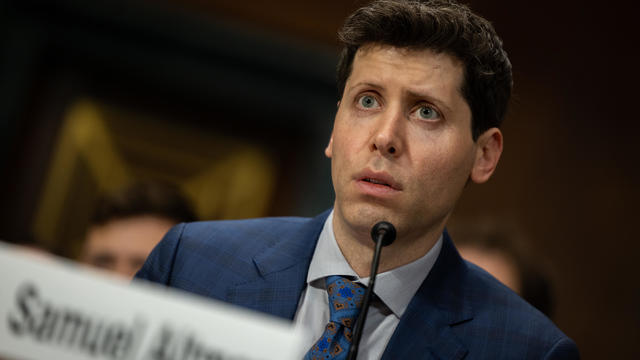
OpenAI co-founder Sam Altman says he's looking forward to returning to the company, with the support of Microsoft's CEO, to build the 2 companies' "strong partnership."

Musk, who is under fire for supporting an antisemitic post, said the money will be donated to hospitals in Israel and to the Red Cross in Gaza.
Altman landed at Microsoft, the biggest investor in OpenAI, as former Twitch leader Emmett Shear was named OpenAI's new chief executive.

Jurors in former President Donald Trump's criminal trial in New York got their first glimpse of the arguments both sides plan to make.

As of the end of March, more than 187,000 Ukrainians have arrived in the U.S. under the Uniting for Ukraine program, resettling with resounding efficiency and relatively little controversy.

Laura Kowal's match on an online dating site wasn't what he seemed. Now her daughter is on a mission to expose the risk of romance scams: "It could happen to anybody."
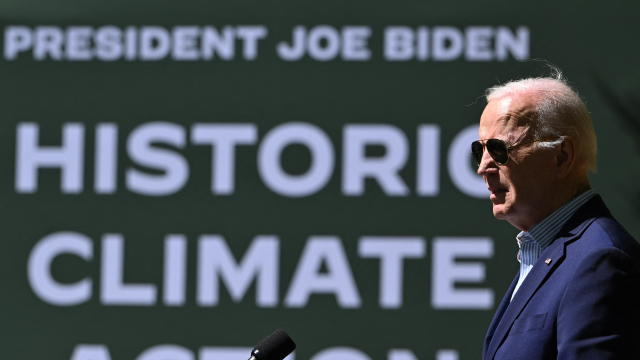
Those who prioritize climate change feel somewhat unsatisfied — more of them feel Biden has done too little.

The Supreme Court considered whether efforts to address homelessness in Grants Pass, Oregon, violated the Constitution's prohibition on cruel and unusual punishment.
A bill that could ultimately ban TikTok in the U.S. will soon head for a vote in the Senate. Here's what experts say to expect next.

After a U.S. investment of about $1 billion in Niger, the welcome mat is being yanked out from under American troops' feet.
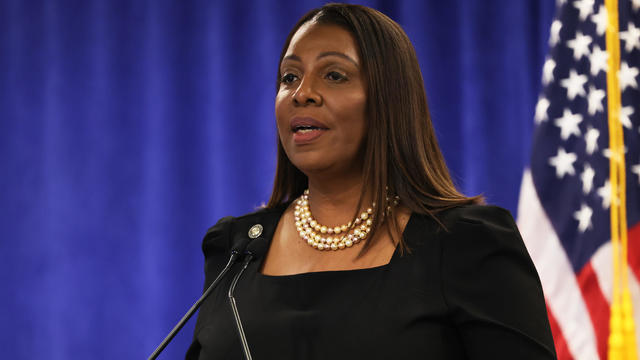
New York Attorney General Letitia James's office argued it is concerned about the financial wherewithal of Knight Specialty Insurance company, which posted the bond for former President Donald Trump.

The NYPD moved in on the encampment at NYU and started making arrests on Monday night.

The U.S. is reaching "peak 65," marking the largest retirement wave in American history. But the financial outlook for many is grim.

Americans are underprepared for retirement, with the average account holding just $88,400 in savings.
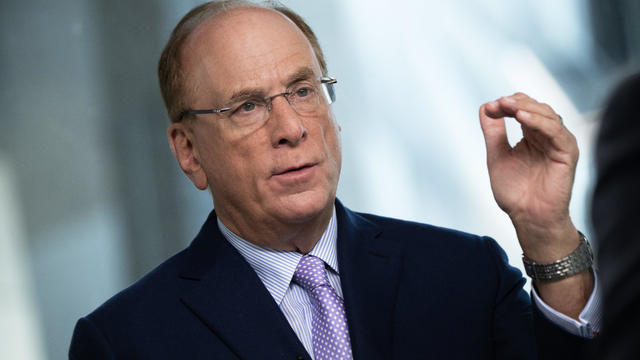
BlackRock CEO Larry Fink said that longer life expectancies are "putting the U.S. retirement system under immense strain."

About 1 in 8 workers think they'll retire by age 61. But the reality of saving for decades of expenses is daunting.

America's retirement system has left behind 90% of workers. "We see big gaps with the rich and the poor in terms of who gets to retire," one expert said.

Karen, a "vibrant and beloved ostrich" at the Topeka Zoo, died after swallowing keys she nabbed from a staffer, the zoo announced on Facebook last week.
As of the end of March, more than 187,000 Ukrainians have arrived in the U.S. under the Uniting for Ukraine program, resettling with resounding efficiency and relatively little controversy.
The NYPD moved in on the encampment at NYU and started making arrests on Monday night.
Laura Kowal's match on an online dating site wasn't what he seemed. Now her daughter is on a mission to expose the risk of romance scams: "It could happen to anybody."
Proposed deal "threatens to deprive consumers of the competition for affordable handbags," federal agency says.
Proposed deal "threatens to deprive consumers of the competition for affordable handbags," federal agency says.
A bill that could ultimately ban TikTok in the U.S. will soon head for a vote in the Senate. Here's what experts say to expect next.
Cancer, heart disease, respiratory illnesses and kidney dysfunction among the health consequences of a warming planet.
A "concierge service" that lets paying members bypass airport security lines is unfair to other travelers, California lawmaker says.

Tesla reduced prices by $2,000 on three of its five models in the U.S. and also slashed prices in China and Germany.
As of the end of March, more than 187,000 Ukrainians have arrived in the U.S. under the Uniting for Ukraine program, resettling with resounding efficiency and relatively little controversy.
The NYPD moved in on the encampment at NYU and started making arrests on Monday night.
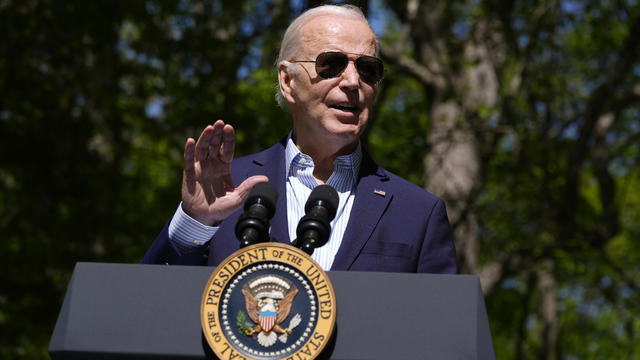
Protesters have been arrested at Columbia and Yale as they've refused to move, calling for a break from Israel.
A bill that could ultimately ban TikTok in the U.S. will soon head for a vote in the Senate. Here's what experts say to expect next.
Those who prioritize climate change feel somewhat unsatisfied — more of them feel Biden has done too little.
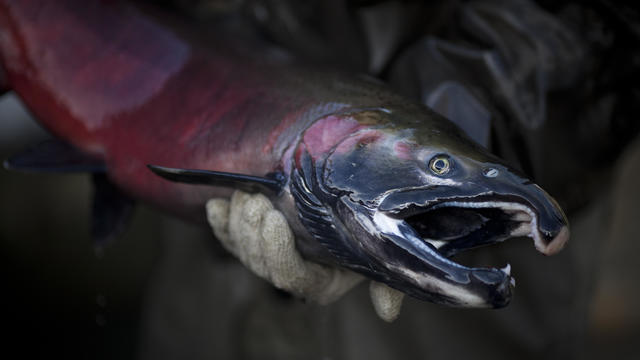
Tires emit huge volumes of particles and chemicals as they roll along the highway, and researchers are only beginning to understand the threat. One byproduct of tire use, 6PPD-q, is in regulators' crosshairs after it was found to be killing fish.
Cancer, heart disease, respiratory illnesses and kidney dysfunction among the health consequences of a warming planet.
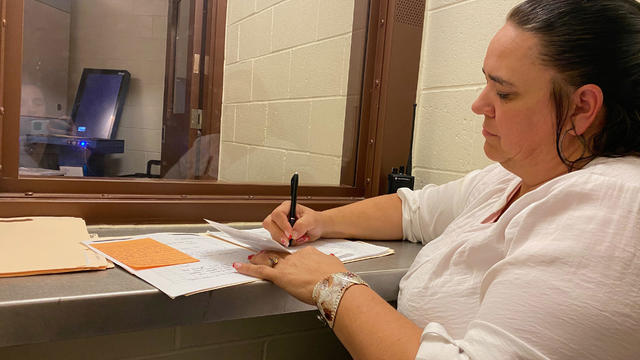
To reduce recidivism, some rural counties are hiring community health workers or peer support specialists to connect people leaving custody to mental health, substance use treatment, medical services and jobs.
The CDC estimates the U.S. could reach 300 measles cases in 2024 — more than the recent peak two years ago.

Health officials are warning consumers not to consume Infinite Herbs basil sold at some Trader Joe's and Dierberg's stores after 12 people were sickened.
As of the end of March, more than 187,000 Ukrainians have arrived in the U.S. under the Uniting for Ukraine program, resettling with resounding efficiency and relatively little controversy.
The NYPD moved in on the encampment at NYU and started making arrests on Monday night.
A bill that could ultimately ban TikTok in the U.S. will soon head for a vote in the Senate. Here's what experts say to expect next.
Cancer, heart disease, respiratory illnesses and kidney dysfunction among the health consequences of a warming planet.
After a U.S. investment of about $1 billion in Niger, the welcome mat is being yanked out from under American troops' feet.

Facing widespread unhappiness over its response to the Israel-Hamas war, the writers' group PEN America has called off its annual awards ceremony.

The Spice Girls had a reunion on Saturday and even put on an impromptu performance.

Former Miss USA and Extra correspondent Cheslie Kryst shared her excitement about writing her first book, finishing the manuscript shortly before she died by suicide in 2022, at age 30. Her family says she battled severe depression for years. Now, her mother, April Simpkins, is honoring her daughter's wish by publishing her book. It's called "By the Time You Read This: The Space Between Cheslie's Smile and Mental Illness." April Simpkins joins us first on "CBS Mornings." For more information on Cheslie Kryst go to cheslieckrystfoundation.org

Best-selling author and dating coach Matthew Hussey, known for his popular podcast "Love Life with Matthew Hussey" and his popular YouTube videos, unveils his new book, "Love Life: How to Raise Your Standards, Find Your Person, and Live Happily -- No Matter What."

Taylor Swift’s new album, “The Tortured Poets Department,'' became Spotify’s most-streamed album in a single day while selling 1.6 million units. It’s on track to sell more than 2 million copies in its first week
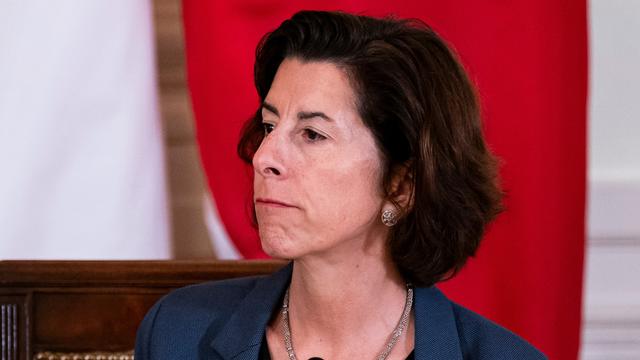
Secretary of Commerce Gina Raimondo is at the center of a global competition for semiconductor dominance. It's a battle that also puts her at the center of two of the hottest global national security hotspots. Lesley Stahl of 60 Minutes spoke with Raimondo for the broadcast.
A bill that could ultimately ban TikTok in the U.S. will soon head for a vote in the Senate. Here's what experts say to expect next.

From labor shortages to environmental impacts, farmers are looking to AI to help revolutionize the agriculture industry. One California startup, Farm-ng, is tapping into the power of AI and robotics to perform a wide range of tasks, including seeding, weeding and harvesting.

More than 100 nations, including the United States, have agreed to protect 30% of the world's oceans by 2030.
More than 100 nations have agreed to protect 30% of the world’s oceans by 2030. One way of doing this is to create what are known as Marine Protected Areas, where human activity is restricted or banned. Ben Tracy reports on how a mix of AI and satellite vessel tracking data can help.

A photo taken two days after the sinking of the RMS Titanic apparently shows the iceberg that doomed the so-called unsinkable ship in 1912. CBS News' John Dickerson has details.

Despite how terrifying sharks might seem, the creatures are critical to the survival of the world's oceans. Oceans generate 50% of the oxygen on the planet and absorb 90% of excess heat created by global warming. CBS News senior national and environmental correspondent Ben Tracy spoke with conservationists in the Bahamas.

A new CBS poll finds that most of the public favors the U.S. taking steps to address climate change. CBS News executive director of elections and surveys Anthony Salvanto breaks down the numbers.

Climate change could cause a $38 trillion income loss per year globally by 2049, according to a new study by the Potsdam Institute for Climate Impact Research. CBS News' Lilia Luciano breaks down the numbers.
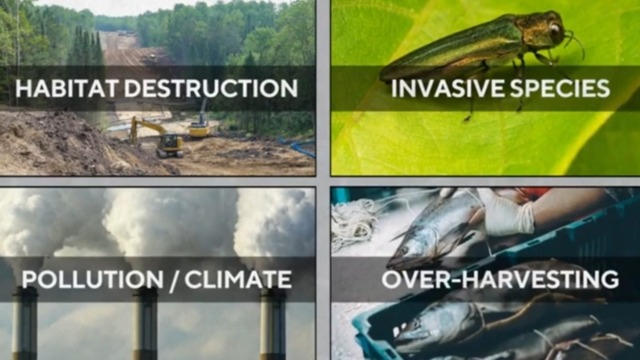
A recent report by the United Nations warned that 1 million species are at risk of extinction because of climate-related issues, and some scientists say the number could be even higher. CBS News national environmental correspondent David Schechter has more.
A growing form of fraud is posing physical, emotional, and financial threats to everyday Americans. Jim Axelrod reports on a romance scam turned tragic -- when a widow was swindled out of her life savings.
Laura Kowal's match on an online dating site wasn't what he seemed. Now her daughter is on a mission to expose the risk of romance scams: "It could happen to anybody."
Jurors in former President Donald Trump's criminal trial in New York got their first glimpse of the arguments both sides plan to make.
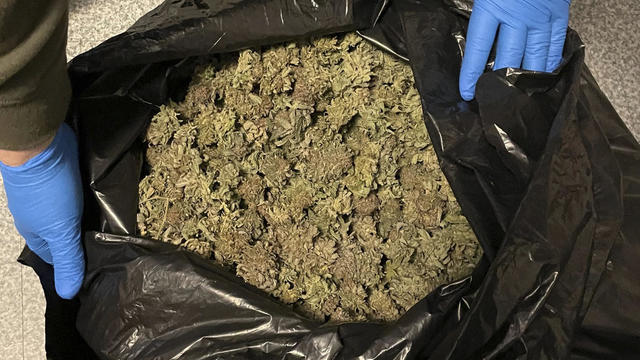
Federal law enforcement officials have brought charges against Xisen Guo, who is accused of creating an illicit marijuana-growing operation off the beaten path in rural Maine.
Officials say the story of a woman found dead, her savings drained, after meeting a con artist on an online dating site is part of a national crisis unfolding largely in secret.

A process called cryopreservation allows cells to remain frozen but alive for hundreds of years. For some animal cells, the moon is the closest place that's cold enough.

The Lyrid meteor show is set to peak as the week begins.

April's full moon, known as the Pink Moon, will reach peak illumination on Tuesday, but it will appear full from Monday morning through Thursday morning.
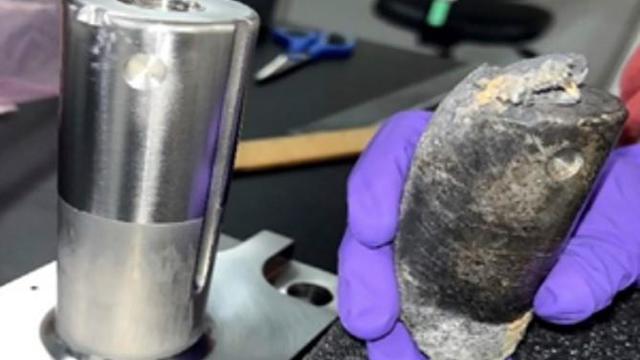
NASA confirmed Monday that a mystery object that crashed through the roof of a Naples, Florida home last month was space junk from equipment discarded by the space station.

NASA said it agrees with an independent review board that concluded the project could cost up to $11 billion without major changes.

A look back at the esteemed personalities who've left us this year, who'd touched us with their innovation, creativity and humanity.

The Francis Scott Key Bridge in Baltimore collapsed early Tuesday, March 26 after a column was struck by a container ship that reportedly lost power, sending vehicles and people into the Patapsco River.
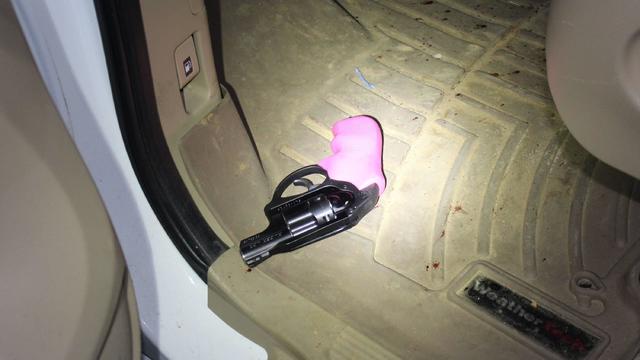
When Tiffiney Crawford was found dead inside her van, authorities believed she might have taken her own life. But could she shoot herself twice in the head with her non-dominant hand?

We look back at the life and career of the longtime host of "Sunday Morning," and "one of the most enduring and most endearing" people in broadcasting.

Cayley Mandadi's mother and stepfather go to extreme lengths to prove her death was no accident.
A photo taken two days after the sinking of the RMS Titanic apparently shows the iceberg that doomed the so-called unsinkable ship in 1912. CBS News' John Dickerson has details.

For the past two years, the U.S. has been quietly resettling hundreds of thousands of Ukrainian refugees. CBS News immigration and politics reporter Camilo Montoya-Galvez spoke with one of the families that escaped war and now live and work in New Jersey.
A growing form of fraud is posing physical, emotional, and financial threats to everyday Americans. Jim Axelrod reports on a romance scam turned tragic -- when a widow was swindled out of her life savings.
Despite how terrifying sharks might seem, the creatures are critical to the survival of the world's oceans. Oceans generate 50% of the oxygen on the planet and absorb 90% of excess heat created by global warming. CBS News senior national and environmental correspondent Ben Tracy spoke with conservationists in the Bahamas.

2024 kicked off with the highest number of drug shortages on record. CBS News reporter Erica Brown explains why some medications are harder to find and what's being done to fix the problem.