Employers added 175,000 jobs last month, marking a hiring slowdown
U.S. unemployment rate rose slightly to 3.9% in April, continuing a stretch of remaining under 4% for 27 months.
Watch CBS News

U.S. unemployment rate rose slightly to 3.9% in April, continuing a stretch of remaining under 4% for 27 months.

The IRS is tapping Inflation Reduction Act funding to hire more agents and go after more tax cheats. Here's where it is focusing.

Job site Indeed identified the top 10 most sought-after job candidates by employers and recruiters. Here's what they found.
A Georgia senior living community fired an elderly worker shortly after honoring her as an employee of the year, regulators allege.

Peloton CEO Barry McCarthy exits as it lays off more staff. What's ailing the fitness company?
The recalled beef came from Cargill Meat Solutions in the form of burger patties and ground chuck.
Licensing deal resolves months-long dispute that had record label Universal pulling its artists' music off the video platform.
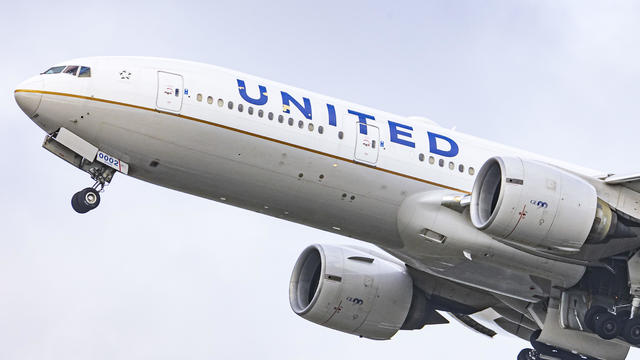
A man's physical and verbal threats caused the United flight from London to Newark, New Jersey, to divert to Bangor, Maine.
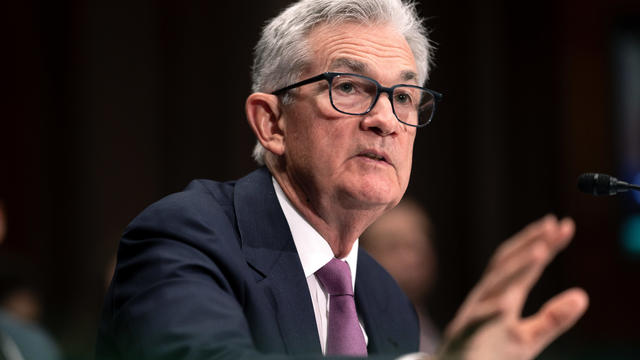
The Fed is leaving its benchmark interest rate unchanged, noting a lack of progress in curbing inflation.

There are several reasons to purchase long-term care insurance at 65. Here's why experts say you should apply now.

You may have enough home equity to pay off your mortgage with it — but that's only a good idea in certain cases.

High-yield savings accounts can give you a meaningful return on your cash. Here's why you should open one in May.
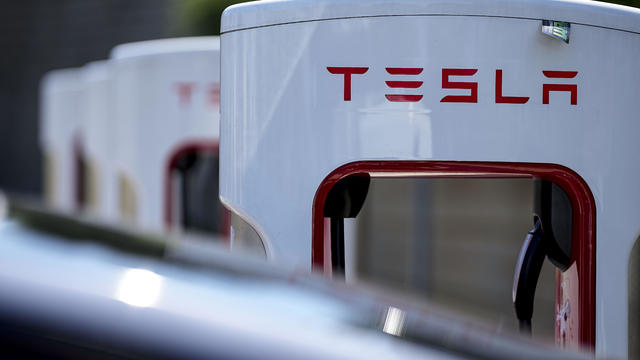
Tesla accounted for 80% of electric vehicle sales in the U.S. in 2020, but that figure fell to 55% last year.
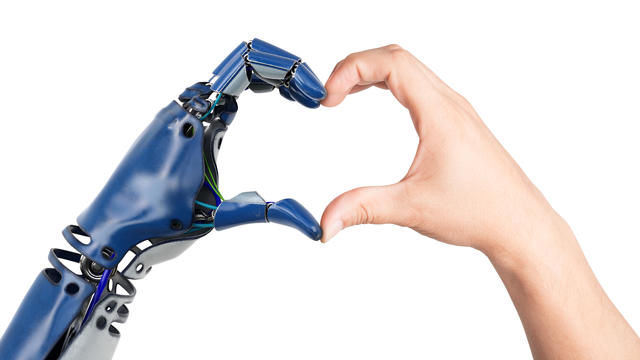
The generative artificial intelligence boom has led to the emergence of romantic companion bots.
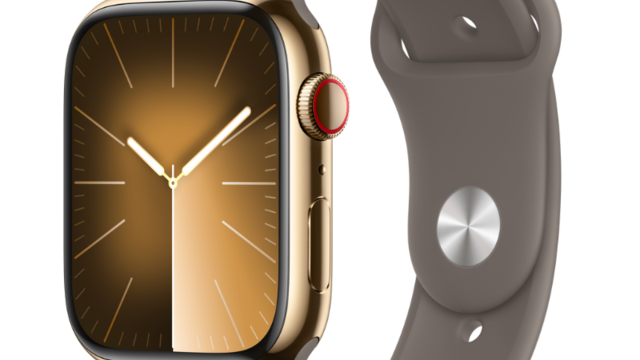
Apple said it will stop selling the devices later this month in order to comply with a U.S. import ban.
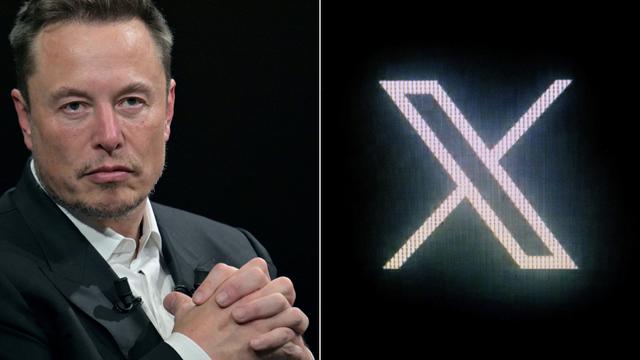
Alex Jones, the conspiracy theorist known for his fake news site InfoWars and his false denial of the Sandy Hook massacre, was permanently banned from Twitter in 2018.

More than 90 million consumers will scan a QR code this year. But the technology can also facilitate identity theft.
The billionaire owner of X took a defensive tone, saying that "the whole world will know that those advertisers killed the company."
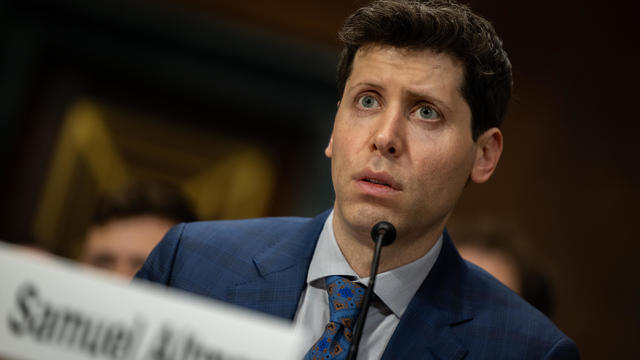
OpenAI co-founder Sam Altman says he's looking forward to returning to the company, with the support of Microsoft's CEO, to build the 2 companies' "strong partnership."
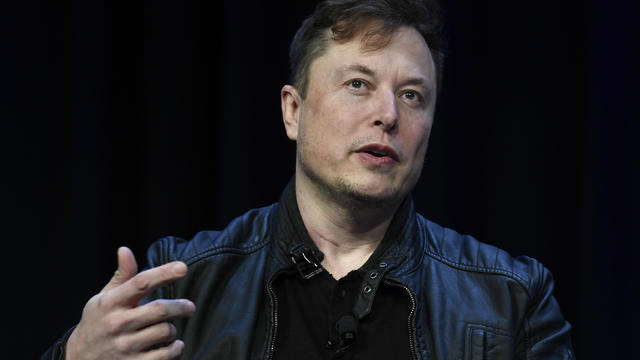
Musk, who is under fire for supporting an antisemitic post, said the money will be donated to hospitals in Israel and to the Red Cross in Gaza.
Altman landed at Microsoft, the biggest investor in OpenAI, as former Twitch leader Emmett Shear was named OpenAI's new chief executive.
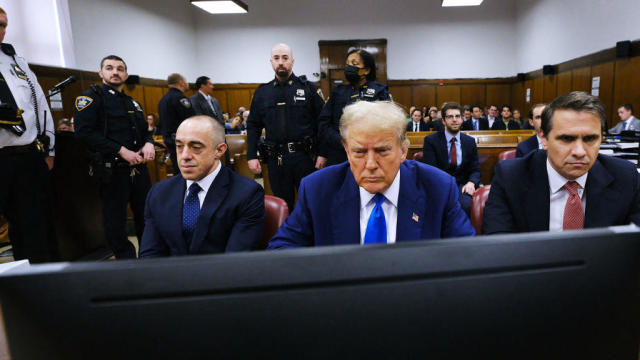
Hope Hicks, who was one of former President Donald Trump's closest aides for years, has been called to the stand to testify at Trump's criminal trial in New York.
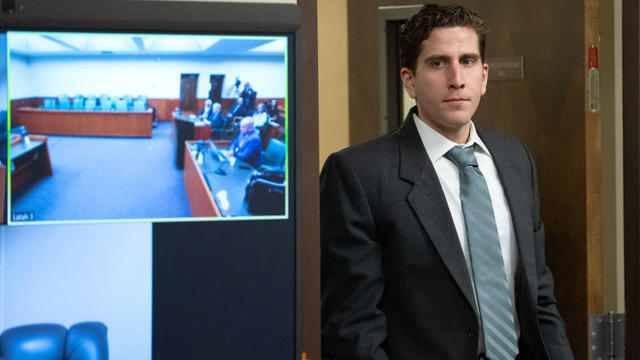
Bryan Kohberger's attorney Anne Taylor said that prosecutors have not provided the full video that shows his car near the residence where four University of Idaho students were killed.
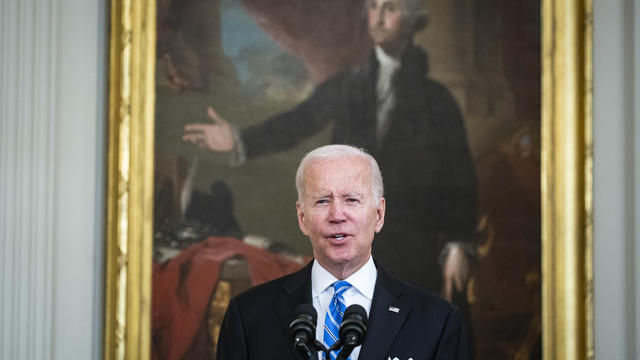
President Biden will award the Presidential Medal of Freedom, the nation's highest civilian honor, to 19 recipients on Friday.
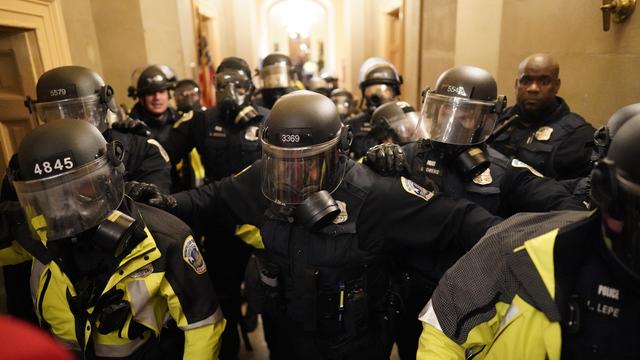
Ex-government employee Miguel Zapata with tie is accused of sending fake FBI tips falsely accusing multiple coworkers of taking part in the Jan. 6, 2021, Capitol breach.

It is the latest advance in China's increasingly sophisticated space exploration program, which is now competing with the U.S.
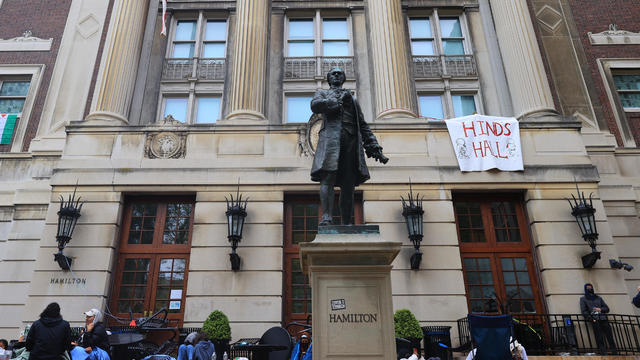
An NYPD officer fired his gun inside Hamilton Hall during Tuesday night's operation at Columbia University, the Manhattan district attorney's office confirms.

Russia says the French president's remarks about a hypothetical troop deployment to Ukraine are "very important and very dangerous."

Before a coup in Niger in July 2023 led to the demand that American troops leave the country, the U.S. used two Niger airbases to fly drones on counterterrorism missions in the Sahel region of Africa.
Job site Indeed identified the top 10 most sought-after job candidates by employers and recruiters. Here's what they found.

With a relatively low average monthly cost of living and a low crime rate, this little-known town has a lot to offer retirees according to one report.

The U.S. is reaching "peak 65," marking the largest retirement wave in American history. But the financial outlook for many is grim.

Americans are underprepared for retirement, with the average account holding just $88,400 in savings.
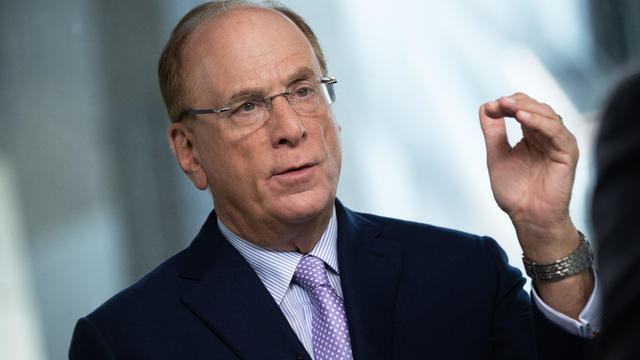
BlackRock CEO Larry Fink said that longer life expectancies are "putting the U.S. retirement system under immense strain."

About 1 in 8 workers think they'll retire by age 61. But the reality of saving for decades of expenses is daunting.
Ex-government employee Miguel Zapata with tie is accused of sending fake FBI tips falsely accusing multiple coworkers of taking part in the Jan. 6, 2021, Capitol breach.

A look at the features for this week's broadcast of the 2023 News & Documentary Emmy-winner for Outstanding Recorded News Program, hosted by Jane Pauley.
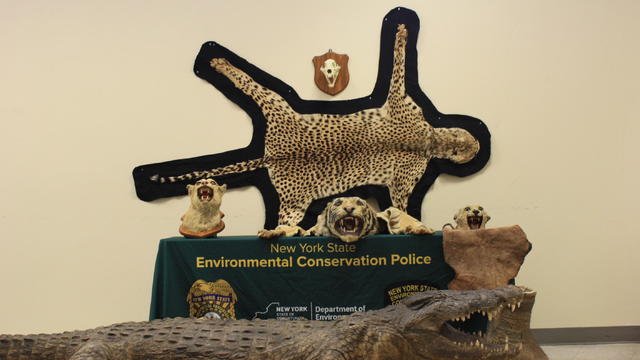
Usher Weiss, 26, must pay a $5,000 fine and surrender all contraband.
Bryan Kohberger's attorney Anne Taylor said that prosecutors have not provided the full video that shows his car near the residence where four University of Idaho students were killed.
U.S. unemployment rate rose slightly to 3.9% in April, continuing a stretch of remaining under 4% for 27 months.
U.S. unemployment rate rose slightly to 3.9% in April, continuing a stretch of remaining under 4% for 27 months.
Job site Indeed identified the top 10 most sought-after job candidates by employers and recruiters. Here's what they found.
Peloton CEO Barry McCarthy exits as it lays off more staff. What's ailing the fitness company?
A Georgia senior living community fired an elderly worker shortly after honoring her as an employee of the year, regulators allege.
The IRS is tapping Inflation Reduction Act funding to hire more agents and go after more tax cheats. Here's where it is focusing.
Ex-government employee Miguel Zapata with tie is accused of sending fake FBI tips falsely accusing multiple coworkers of taking part in the Jan. 6, 2021, Capitol breach.
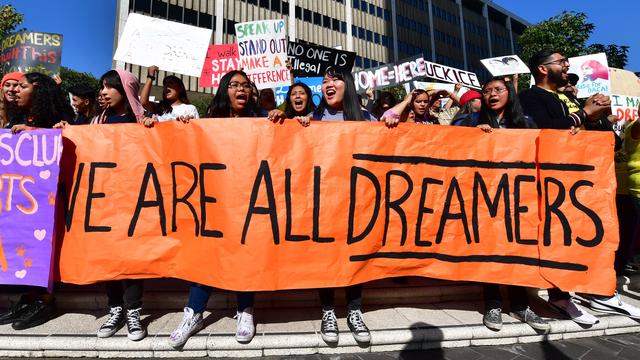
Roughly 100,000 immigrants who were brought to the U.S. as children are expected to enroll in the Affordable Care Act's health insurance next year under a new administration rule, the White House says.
Hope Hicks, who was one of former President Donald Trump's closest aides for years, has been called to the stand to testify at Trump's criminal trial in New York.
President Biden will award the Presidential Medal of Freedom, the nation's highest civilian honor, to 19 recipients on Friday.
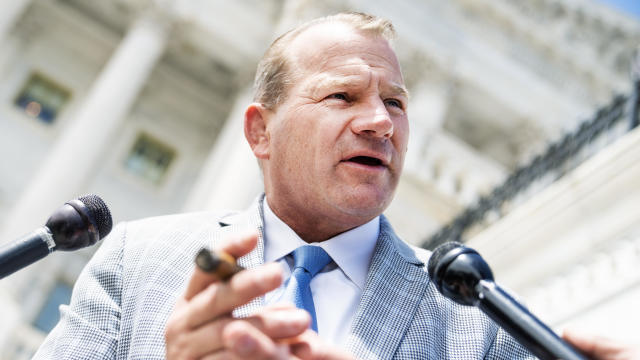
There is no question that Nehls served overseas and engaged in combat, but military documents show he received one Bronze Star instead of two.

Stress is hard to avoid, but experts say getting outdoors can have a positive impact on both our mental and physical health.
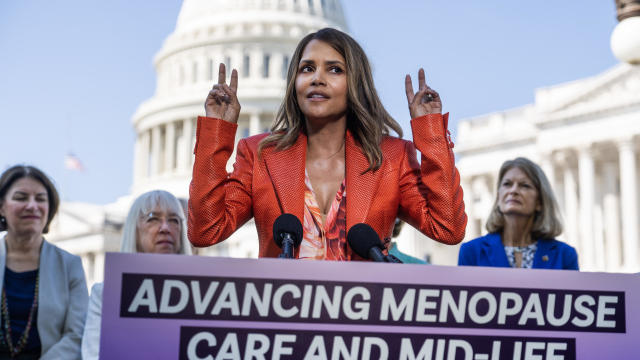
Actress Halle Berry joined with a group of bipartisan senators on Thursday to announce new legislation to promote menopause research, training and education.
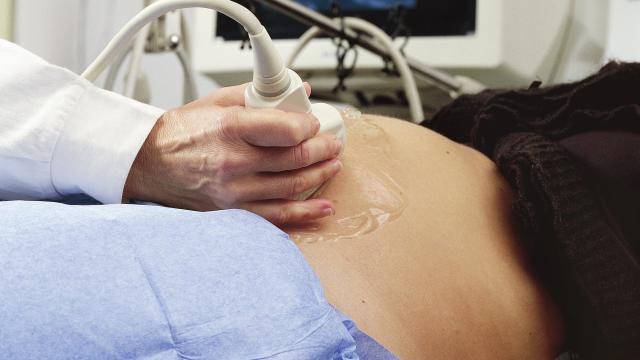
New CDC data shows about 680 women in the U.S. died during pregnancy or shortly after childbirth in 2023, a decline from the previous year.
UnitedHealth Group CEO Andrew Witty disclosed that a cyberattack on one of its subsidiaries earlier this year might affect up to a third of all Americans.
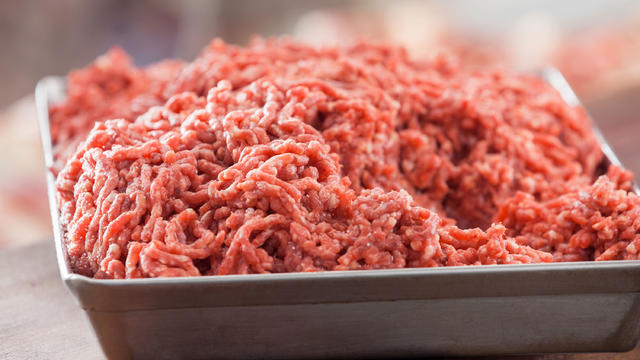
The USDA tested 30 samples from states with herds infected by H5N1.

The woman — identified by the Brussels Times as Annie De Poortere — disappeared on November 12, 1994.
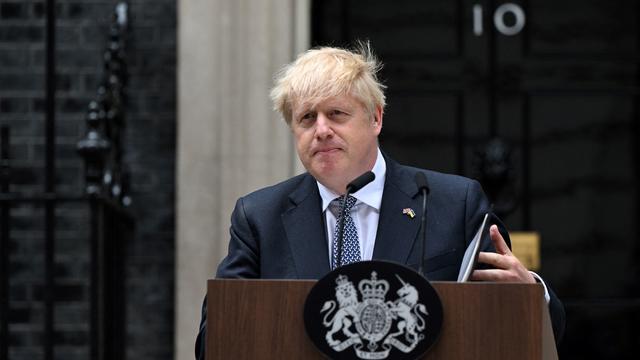
Former U.K. Prime Minister Boris Johnson was turned away from a polling station for failing to bring a photo ID - required under a law introduced by his government.
Russia says the French president's remarks about a hypothetical troop deployment to Ukraine are "very important and very dangerous."

Australian brothers Jake and Callum Robinson and their American friend have not been seen since April 27.
It is the latest advance in China's increasingly sophisticated space exploration program, which is now competing with the U.S.

Kiki Wong got her first guitar from Costco at 13 years old. Now she's joining The Smashing Pumpkins.

The classic kids' game show "Double Dare" premiered in 1986, and was a massive success for Nickelodeon, which became one of the biggest cable channels of the 1990s. Behind much of that success was TV host Marc Summers. He's enjoyed a long career in front of and behind the camera, hosting and producing shows for Nick, Food Network and others. "CBS Mornings" met with the 72-year-old on the set of his new one-man play in New York City, called "The Life and Slimes of Marc Summers."
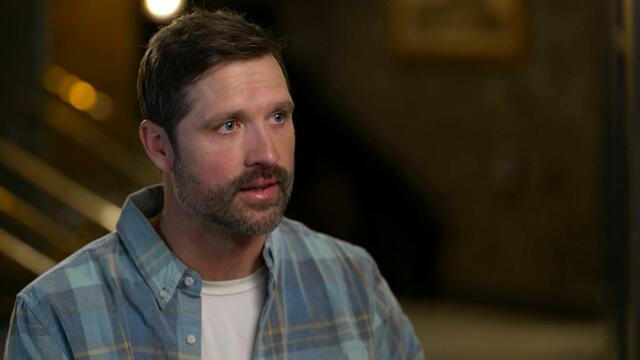
Three years ago, Walter Hayes burst onto the music scene with "Fancy Like," a song that became a sensation and established his presence in the country music world.
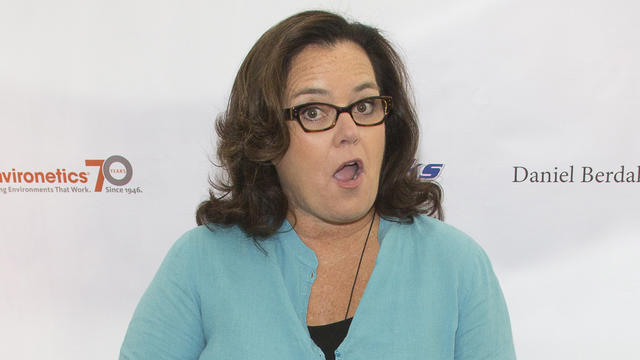
O'Donnell shared a photo of a script for season three, episode one of the Max show, revealing her character's name is Mary.
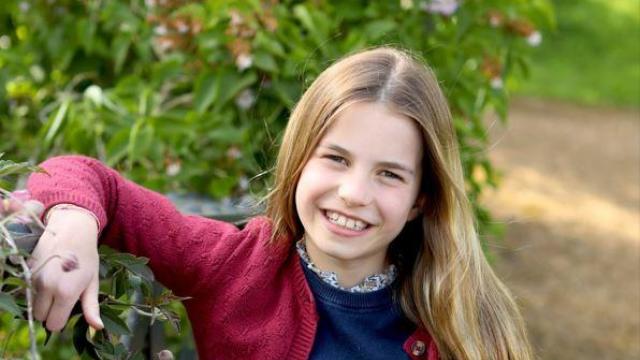
"Happy 9th Birthday, Princess Charlotte!" the Prince and Princess of Wales said in a social media post with a new photo of their daughter taken by Kate.

Microsoft users can now use biometric passkeys, like a thumbprint or Face ID, to sign into Microsoft 365, Copilot. Jon Fingas, senior editor at Techopedia, has more.
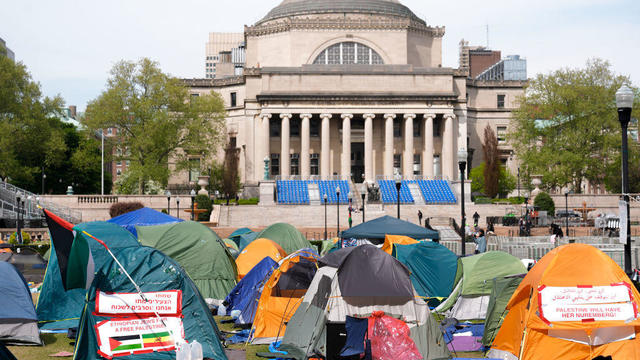
Sidechat, an anonymous messaging app, has been used by students to share opinions and updates, but university administrators say it has also fueled hateful rhetoric.

From labor shortages to environmental impacts, farmers are looking to AI to help revolutionize the agriculture industry. One California startup, Farm-ng, is tapping into the power of AI and robotics to perform a wide range of tasks, including seeding, weeding and harvesting.

Georgia is home to the nation's newest nuclear reactor. It's bringing clean energy to the state, but the project has run over budget and past its original completion date. Drew Kann, climate and environment reporter for The Atlanta Journal-Constitution, joins CBS News to explore the effort.
Google made its closing arguments Thursday in the antitrust case brought by the Department of Justice. CBS News senior business and tech correspondent Jo Ling Kent reports.
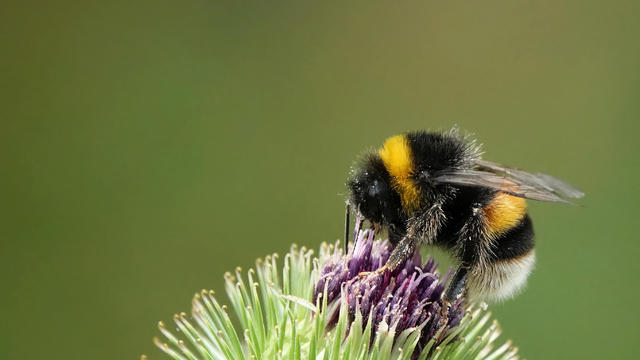
There's a newly-determined "major factor" in declining bumblebee populations – and it's attacking their nests.

On Monday, Boeing plans to launch astronauts on its new spacecraft that is called Starliner. The test flight to the International Space Station is years behind schedule.
Georgia is home to the nation's newest nuclear reactor. It's bringing clean energy to the state, but the project has run over budget and past its original completion date. Drew Kann, climate and environment reporter for The Atlanta Journal-Constitution, joins CBS News to explore the effort.
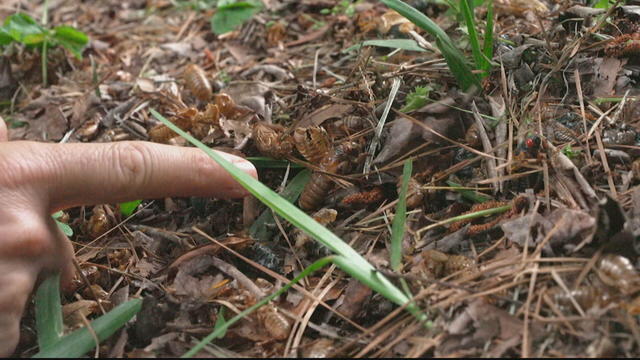
For the first time since 1803, two groups of periodical cicadas are emerging from the ground at the same time in parts of the Midwest and South. However, a small section of Central Illinois marks the only place where both the 13-year and 17-year cicadas are emerging in the same place. Dave Malkoff reports on the extraordinary event.

Much of Asia is sweltering under a heat wave that one expert calls "by far the most extreme event in world climatic history."
The woman — identified by the Brussels Times as Annie De Poortere — disappeared on November 12, 1994.
Usher Weiss, 26, must pay a $5,000 fine and surrender all contraband.
Bryan Kohberger's attorney Anne Taylor said that prosecutors have not provided the full video that shows his car near the residence where four University of Idaho students were killed.
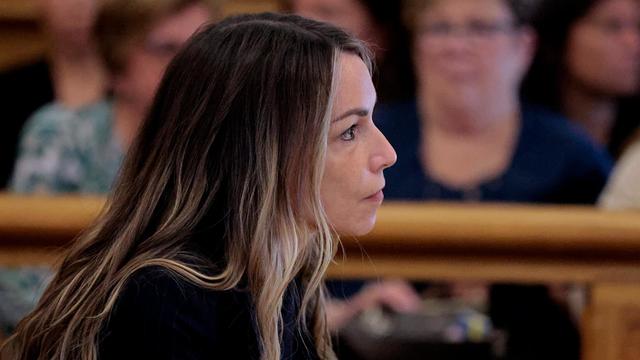
Jurors in Karen Read's murder trial will travel to the scene of the alleged crime Friday. Read is accused of killing her police officer boyfriend, John O'Keefe, in 2022 by hitting him with her SUV, but Read's lawyers claim that she is being framed as part of a cover-up. CBS News Boston reporter Penny Kmitt has more.
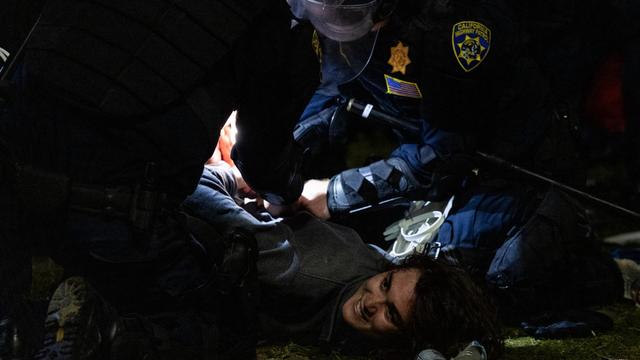
Dozens of protesters were arrested on the University of California, Los Angeles campus as CBS News Radio affiliate KNX reporter Jon Baird reported live from the scene. Baird joins CBS News with more on how violence erupted in the middle of the night.
It is the latest advance in China's increasingly sophisticated space exploration program, which is now competing with the U.S.
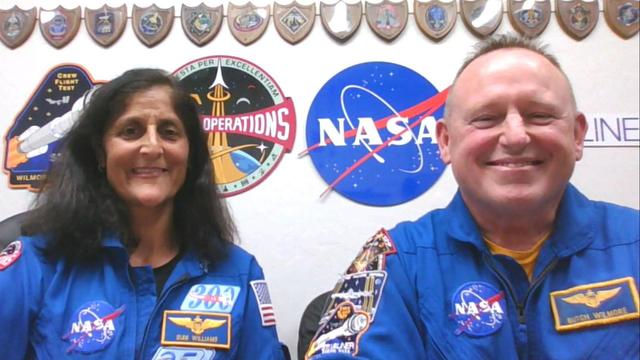
Boeing is set to launch its first-ever spaceflight with humans next week. The Starliner spacecraft will lift off from Florida on Monday night for a multi-day mission to the International Space Station. Commander Barry "Butch" Wilmore and pilot Sunny Williams, two seasoned NASA astronauts who are a part of the mission, join CBS News to go over the flight.

The Horsehead Nebula, which NASA has called "one of the most distinctive objects in our skies," is located in the constellation Orion.
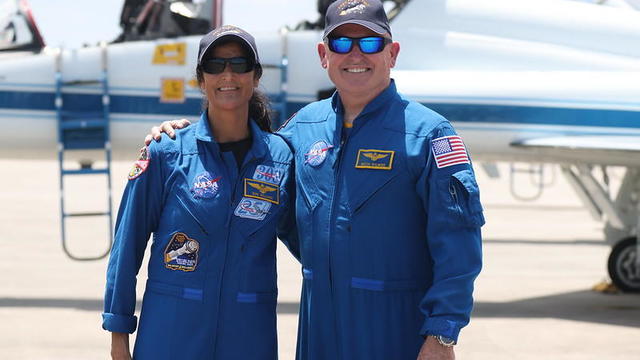
Astronauts Barry Wilmore and Sunita Williams say they have complete confidence in the Starliner despite questions about Boeing's safety culture.
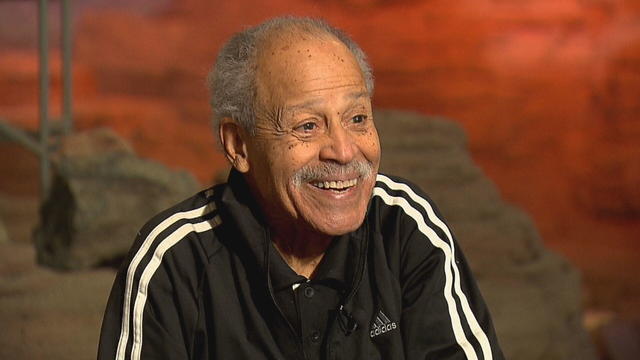
In 1961, Ed Dwight was selected by President John F. Kennedy to enter an Air Force training program known as the path to NASA's Astronaut Corps. But he ultimately never made it to space.
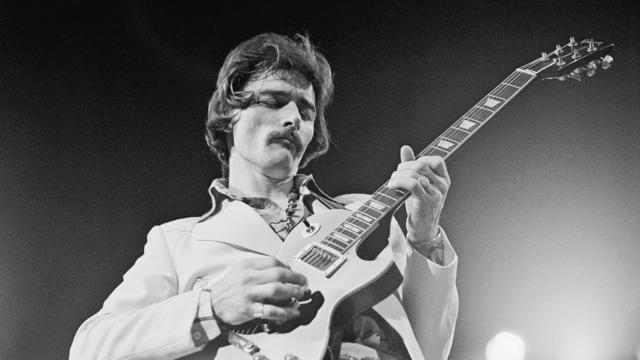
A look back at the esteemed personalities who've left us this year, who'd touched us with their innovation, creativity and humanity.

The Francis Scott Key Bridge in Baltimore collapsed early Tuesday, March 26 after a column was struck by a container ship that reportedly lost power, sending vehicles and people into the Patapsco River.
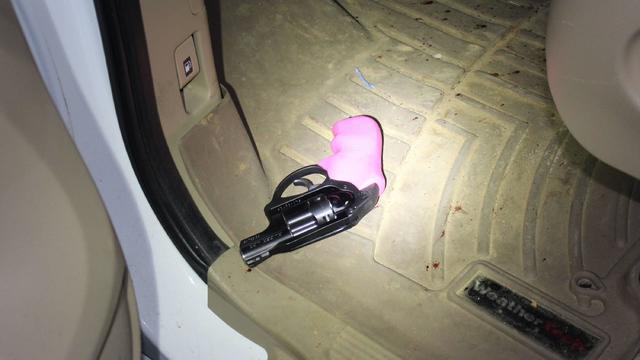
When Tiffiney Crawford was found dead inside her van, authorities believed she might have taken her own life. But could she shoot herself twice in the head with her non-dominant hand?
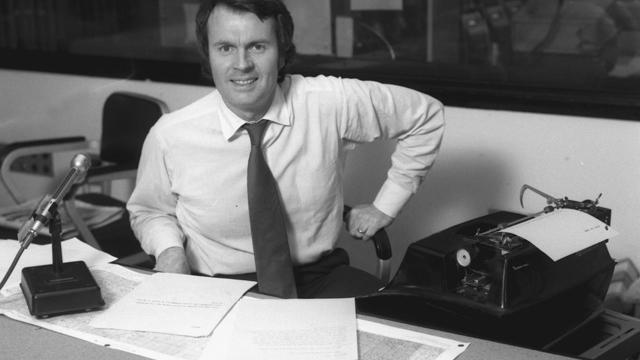
We look back at the life and career of the longtime host of "Sunday Morning," and "one of the most enduring and most endearing" people in broadcasting.

Cayley Mandadi's mother and stepfather go to extreme lengths to prove her death was no accident.
Microsoft users can now use biometric passkeys, like a thumbprint or Face ID, to sign into Microsoft 365, Copilot. Jon Fingas, senior editor at Techopedia, has more.

There was another crackdown on a protest over the war in Gaza Thursday night as police cleared an occupied library at Oregon's Portland State University. New video shows damage and graffiti inside the building. According to the Associated Press, more than 2,000 people have been arrested at college protests across the U.S. since April 18. CBS News correspondent Jonathan Vigliotti has more.
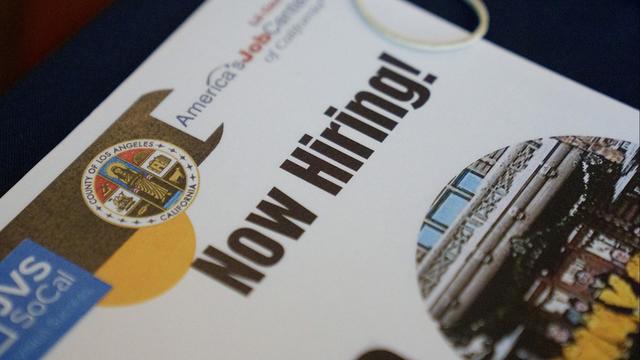
The U.S. job market appears to have slowed last month. 175,000 jobs were added in April, falling short of expectations, while the unemployment rate came in at 3.9%. CBS News business analyst Jill Schlesinger has more.

Hamas says it will send a delegation to Egypt for further cease-fire talks and the group's political chief says they're studying Israel's cease-fire proposal in a "positive spirit." The proposal reportedly includes a 40-day stop in fighting. CBS News foreign correspondent Ramy Inocencio has more.
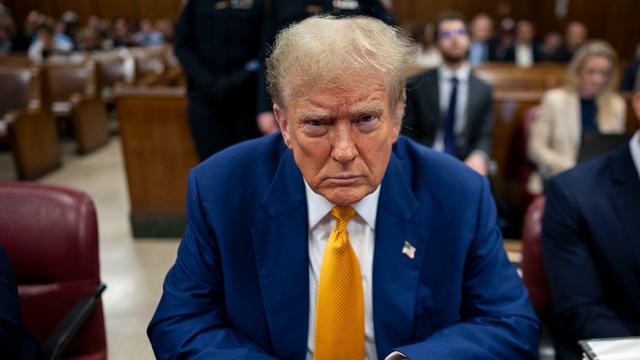
A taped phone call between Donald Trump and his former attorney, Michael Cohen, was played at the former president's "hush money" trial Thursday. Cohen had secretly recorded the conversation where they spoke about an alleged payment to former Playboy model Karen McDougal. Attorney and CBS News campaign reporter Katrina Kaufman has more.