Are Americans losing their taste for Starbucks? "The whole concept got old," one customer said.
Starbucks, once one of America's most cherished brands, is in a rut. Even long-time former CEO Howard Schultz is worried.
Watch CBS News

Starbucks, once one of America's most cherished brands, is in a rut. Even long-time former CEO Howard Schultz is worried.
FDIC Chair Martin Gruenberg is also a focus of the report, which claims he treated staff in a "demeaning and inappropriate manner."

Panera is phasing out a highly caffeinated selection of lemonade beverages that's at the center of several lawsuits.
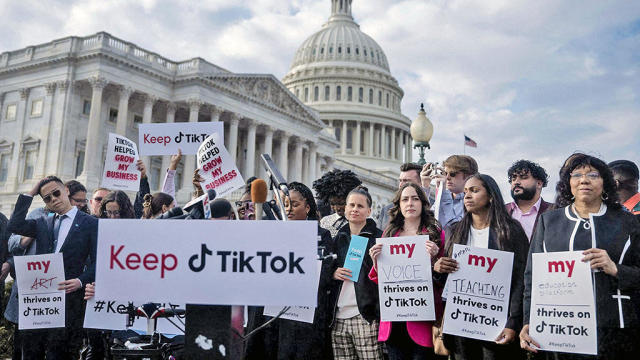
The lawsuit claims that the measure, signed into law by President Biden, is unconstitutional.

Approximately 450 planes potentially could be involved, a source told CBS News.

Without a major change, Social Security may be forced to cut benefits in 2035, a year later than previously forecast.

Disney CEO Bob Iger's focus on wringing profits from the entertainment giant's streaming business is bearing fruit.

College protesters are demanding divestment as a way to deliver change, although its effectiveness isn't clear cut.

Video gamers eagerly awaiting a successor to Nintendo's hit Switch system finally got a clue on when to expect a new device.

Gold isn't the only precious metal you might want to buy in today's market.

It may be harder to get long-term care insurance with a pre-existing condition, but it's not impossible.

Are you thinking about taking out a $40,000 home equity loan? Here's how much your monthly payments would be.
Tesla accounted for 80% of electric vehicle sales in the U.S. in 2020, but that figure fell to 55% last year.

The generative artificial intelligence boom has led to the emergence of romantic companion bots.

Apple said it will stop selling the devices later this month in order to comply with a U.S. import ban.

Alex Jones, the conspiracy theorist known for his fake news site InfoWars and his false denial of the Sandy Hook massacre, was permanently banned from Twitter in 2018.

More than 90 million consumers will scan a QR code this year. But the technology can also facilitate identity theft.
The billionaire owner of X took a defensive tone, saying that "the whole world will know that those advertisers killed the company."
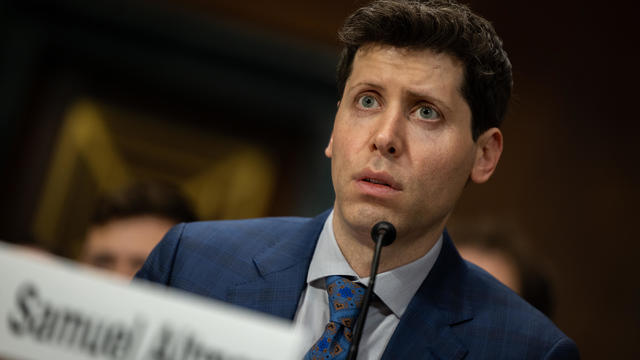
OpenAI co-founder Sam Altman says he's looking forward to returning to the company, with the support of Microsoft's CEO, to build the 2 companies' "strong partnership."

Musk, who is under fire for supporting an antisemitic post, said the money will be donated to hospitals in Israel and to the Red Cross in Gaza.
Altman landed at Microsoft, the biggest investor in OpenAI, as former Twitch leader Emmett Shear was named OpenAI's new chief executive.
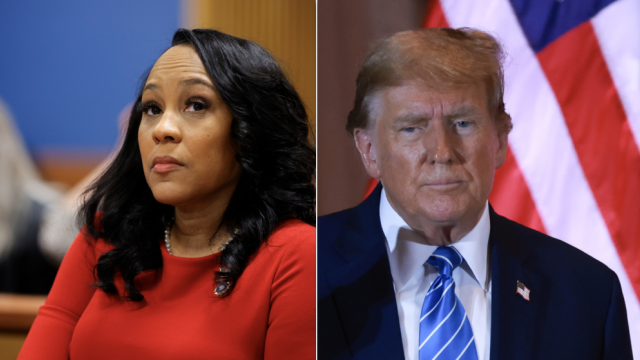
Judge Scott McAfee allowed District Attorney Fani Willis to remain on the case involving former President Donald Trump if Nathan Wade resigned, which he did.

The Israeli military says it's reopened the Kerem Shalom crossing into Gaza, a key terminal for the entry of humanitarian aid, but the nearby Rafah crossing seized by Israel was still closed.
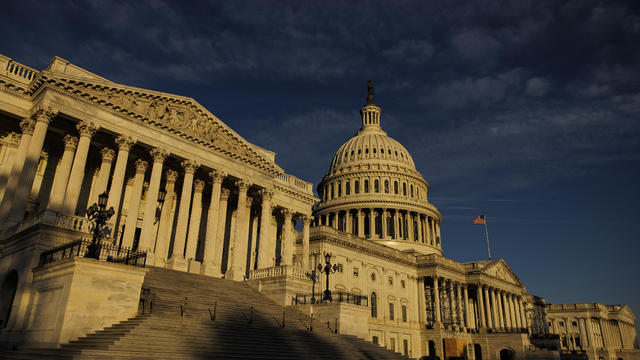
Three public school district leaders are testifying before a congressional panel Tuesday on antisemitism incidents in their schools.
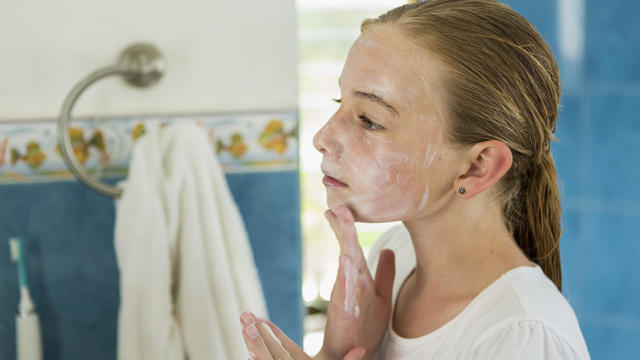
The trend of teens and tweens obsessing over skin care is "at its max," one dermatologist says.
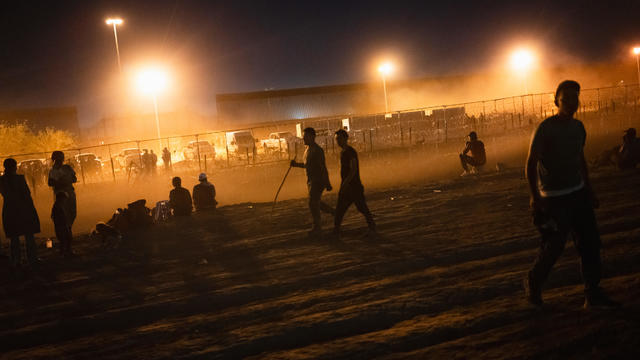
Tens of thousands of migrants are estimated to be waiting in Mexico, in places like Ciudad Juárez where shelter space is limited and the conditions are sometimes dire.
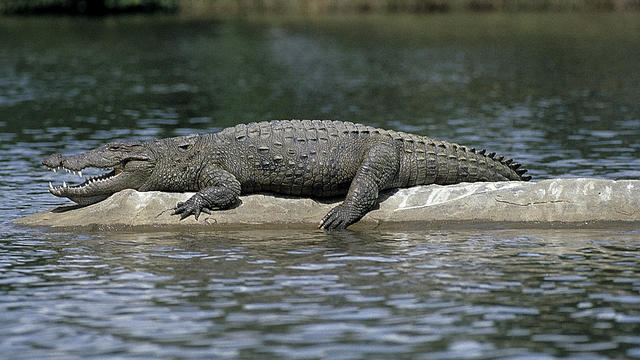
Indian police have arrested the parents of a 6-year-old deaf and nonverbal boy who's body was found in a canal with signs of a crocodile attack.
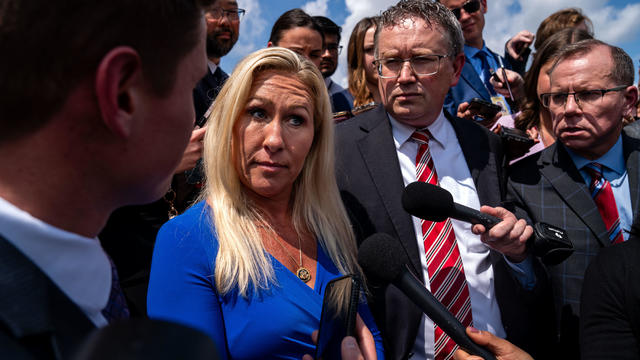
Rep. Marjorie Taylor Greene said she would force a vote on ousting House Speaker Mike Johnson this week, but appeared to be retreating on the threat — for now.
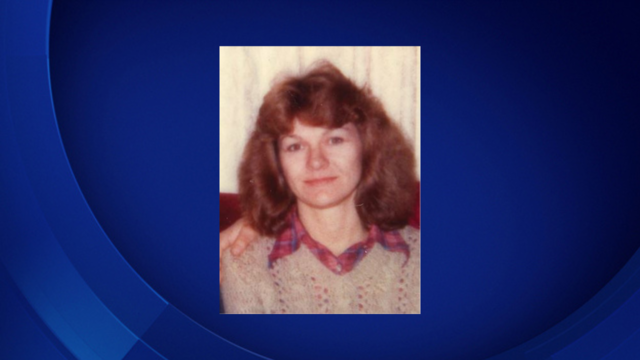
After more than three decades, Ventura police have solved the murder of Danielle Clause, who was found dead on a hillside in 1991.

Gov. Tim Walz on Tuesday signed a ticket transparency bill aimed at protecting music fans when they buy tickets for shows.

With a relatively low average monthly cost of living and a low crime rate, this little-known town has a lot to offer retirees according to one report.

The U.S. is reaching "peak 65," marking the largest retirement wave in American history. But the financial outlook for many is grim.

Americans are underprepared for retirement, with the average account holding just $88,400 in savings.
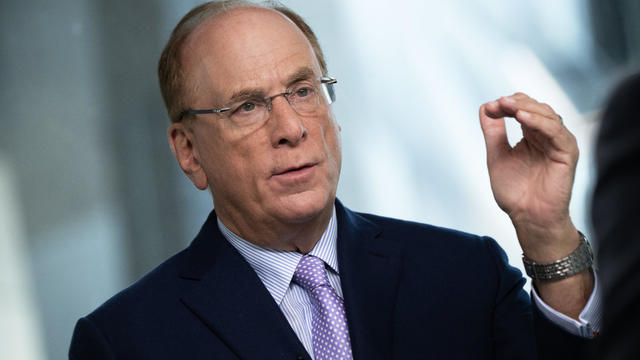
BlackRock CEO Larry Fink said that longer life expectancies are "putting the U.S. retirement system under immense strain."

About 1 in 8 workers think they'll retire by age 61. But the reality of saving for decades of expenses is daunting.
Judge Scott McAfee allowed District Attorney Fani Willis to remain on the case involving former President Donald Trump if Nathan Wade resigned, which he did.

You deserve a treat. And this spring, Mother Nature is providing a seemingly endless supply – trillions of cicadas.

The worker stabbed a woman and two guards who tried to intervene before being subdued and held in a "shipboard jail," the affidavit says.
Three public school district leaders are testifying before a congressional panel Tuesday on antisemitism incidents in their schools.
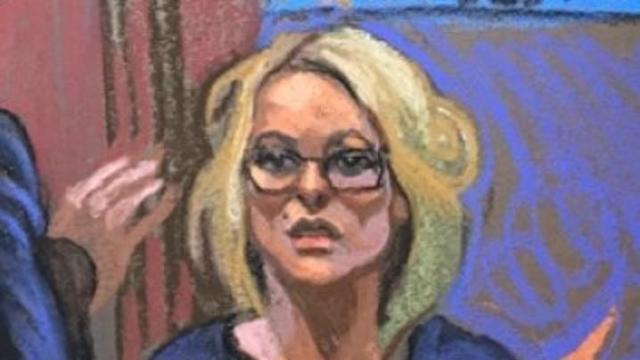
Stormy Daniels was called to the witness stand to testify at former President Donald Trump's trial in New York on Tuesday.
Panera is phasing out a highly caffeinated selection of lemonade beverages that's at the center of several lawsuits.
FDIC Chair Martin Gruenberg is also a focus of the report, which claims he treated staff in a "demeaning and inappropriate manner."
Starbucks, once one of America's most cherished brands, is in a rut. Even long-time former CEO Howard Schultz is worried.
Video gamers eagerly awaiting a successor to Nintendo's hit Switch system finally got a clue on when to expect a new device.

Nvidia and Microsoft are among the backers of Wayve and its embodied AI technology, described as "GPT for driving."
Judge Scott McAfee allowed District Attorney Fani Willis to remain on the case involving former President Donald Trump if Nathan Wade resigned, which he did.
Three public school district leaders are testifying before a congressional panel Tuesday on antisemitism incidents in their schools.
Stormy Daniels was called to the witness stand to testify at former President Donald Trump's trial in New York on Tuesday.
Tens of thousands of migrants are estimated to be waiting in Mexico, in places like Ciudad Juárez where shelter space is limited and the conditions are sometimes dire.
Gov. Tim Walz on Tuesday signed a ticket transparency bill aimed at protecting music fans when they buy tickets for shows.
The trend of teens and tweens obsessing over skin care is "at its max," one dermatologist says.
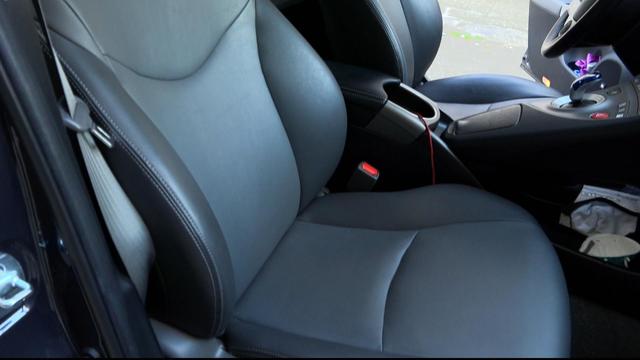
According to a new study, "vehicles are likely important sources of human exposure to potentially harmful" flame retardants.
Panera is phasing out a highly caffeinated selection of lemonade beverages that's at the center of several lawsuits.

Recall includes yogurt pretzels and other confections sold by retailers such as Dollar General, HyVee, Target and Walmart.

A survey from the American Academy of Dermatology finds more than one-third of adults reported getting a sunburn last year — the highest number since 2020.

Jerusalem's Hand in Hand school sees Jewish and Arab kids learn together – and they're learning a lot more than just math and science.
Indian police have arrested the parents of a 6-year-old deaf and nonverbal boy who's body was found in a canal with signs of a crocodile attack.

The SS Tilawa was carrying hundreds of passengers and thousands of silver bars when it sank in 1942.

2 days after an apartment building collapsed in South Africa, the search continued for 42 construction workers still believed to be buried in the rubble
The Israeli military says it's reopened the Kerem Shalom crossing into Gaza, a key terminal for the entry of humanitarian aid, but the nearby Rafah crossing seized by Israel was still closed.

As part of AAPI month, "CBS Mornings" partnered with the organization Gold House to celebrate its A 100 list, which recognizes this year's most impactful Asian-Pacific leaders. One of the honorees is actor Hoa Xuande. You may recognize him for his lead role in the HBO show "The Sympathizer." He stars alongside Sandra Oh and Robert Downey Jr. Jo Ling Kent met the rising star, whose unlikely Hollywood journey shows no signs of stopping.
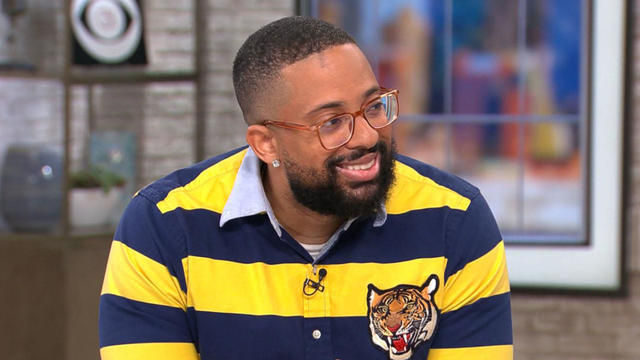
Billboard's Carl Lamarre joins "CBS Mornings" to discuss the heated feud between hip-hop artists Drake and Kendrick Lamar.
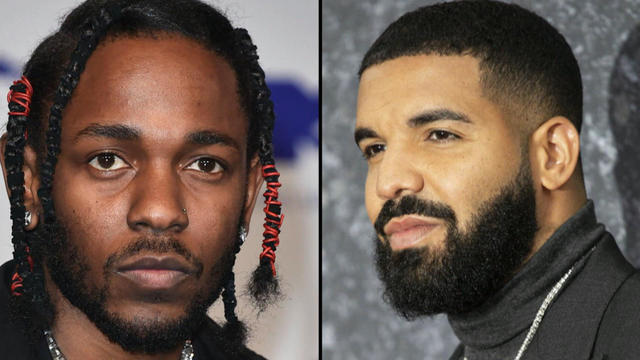
As tensions escalate between Kendrick Lamar and Drake, a security guard was critically injured in a shooting outside Drake's Toronto residence. Police are investigating the incident which casts a shadow over the hip-hop community's ongoing disputes.
Gov. Tim Walz on Tuesday signed a ticket transparency bill aimed at protecting music fans when they buy tickets for shows.

Stars were in full bloom at the Met Gala Monday night. The dress code was "Garden of Time." Rachel Smith from "Entertainment Tonight" breaks down fashion's biggest night.

TikTok filed a lawsuit over U.S. legislation that could ban the social media app. It says a new law demanding it sever ties with the Chinese government is unconstitutional and is a free speech issue. However, supporters of the law say it's essential for national security.
Video gamers eagerly awaiting a successor to Nintendo's hit Switch system finally got a clue on when to expect a new device.

From labor shortages to environmental impacts, farmers are looking to AI to help revolutionize the agriculture industry. One California startup, Farm-ng, is tapping into the power of AI and robotics to perform a wide range of tasks, including seeding, weeding and harvesting.
The lawsuit claims that the measure, signed into law by President Biden, is unconstitutional.

Boeing's Starliner was set to make its maiden voyage to the International Space Station, with its first piloted launch Monday night. But the launch, already pushed back following years of delays, was scrubbed with less than two hours to go before liftoff. Mark Strassmanm reports.
The visualization, produced on a NASA supercomputer, allows users to experience flight towards a supermassive black hole.
Boeing's Starliner was set to make its maiden voyage to the International Space Station, with its first piloted launch Monday night. But the launch, already pushed back following years of delays, was scrubbed with less than two hours to go before liftoff. Mark Strassmanm reports.

Reported sightings of giant, toxic, invasive hammerhead flatworms are on the rise in parts of southeastern Canada. Experts say the worms can grow up to 3 feet long and pose a risk to children, pets and other small animals. Peter Ducey, PH.D. and distinguished teaching professor at SUNY Cortland, joins CBS News to discuss the worm.

When NASA added a tiny four-pound helicopter as a stowaway to its Mars 2020 lander, it expected the helicopter to fly five very brief flights in the thin Martian atmosphere. Yet, Ingenuity would far surpass all expectations.

When NASA added a drone named Ingenuity to its Mars 2020 rover Perseverance, it expected the tiny four-pound helicopter to fly a total of five very brief missions in the thin Martian atmosphere. But Ingenuity far surpassed all expectations, flying dozens of flights before suffering damage to its rotors in January. Correspondent David Pogue reports on how the tiny drone, created from off-the-shelf parts, continued to provide valuable data and images from the Red Planet three years into its mission.
Indian police have arrested the parents of a 6-year-old deaf and nonverbal boy who's body was found in a canal with signs of a crocodile attack.
The worker stabbed a woman and two guards who tried to intervene before being subdued and held in a "shipboard jail," the affidavit says.
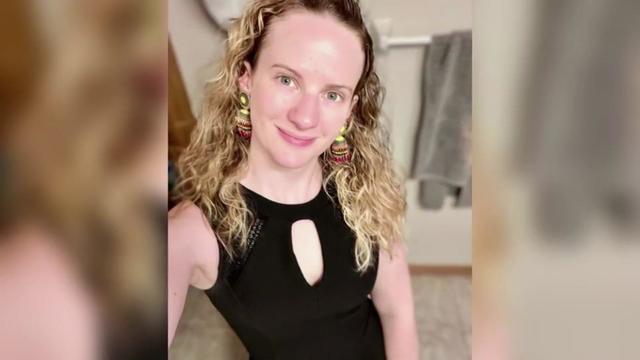
A former Mayo Clinic resident accused of fatally poisoning his wife last year may have been identifying as a widower before she even died, a new warrant reveals.
Alexander Louie, 34, told authorities he was not taking his HIV medication so he could purposely infect his partners.
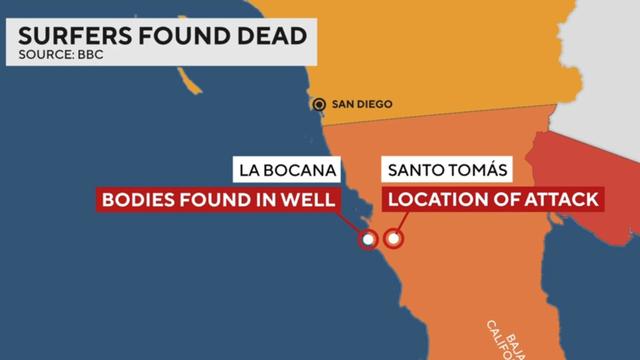
Officials are releasing new details in the deaths of two Australians and an American who were found dead near a camping site in Mexico with gunshot wounds last week. CBS News correspondent Carter Evans has more.

United Launch Alliance decided to replace a suspect valve in the Atlas 5 rocket's upper stage, delaying launch to late next week.
The visualization, produced on a NASA supercomputer, allows users to experience flight towards a supermassive black hole.

Boeing's Starliner space capsule is set for a historic launch Monday night. CBS News space consultant Bill Harwood looks at the long-awaited mission into orbit, and what it could mean for the future of space travel.
Boeing's Starliner was set to make its maiden voyage to the International Space Station, with its first piloted launch Monday night. But the launch, already pushed back following years of delays, was scrubbed with less than two hours to go before liftoff. Mark Strassmanm reports.

The planned piloted launch of Boeing's long-delayed Starliner crew ferry ship was called off with less than two hours to go before liftoff.
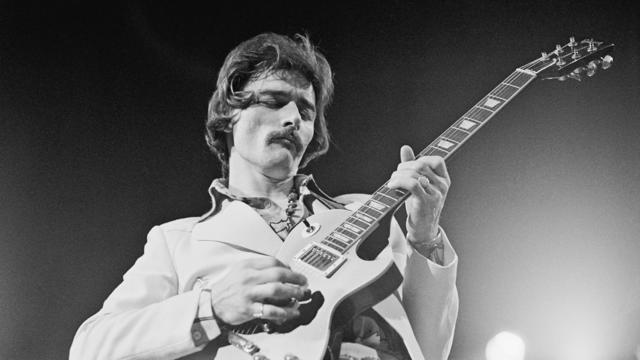
A look back at the esteemed personalities who've left us this year, who'd touched us with their innovation, creativity and humanity.

The Francis Scott Key Bridge in Baltimore collapsed early Tuesday, March 26 after a column was struck by a container ship that reportedly lost power, sending vehicles and people into the Patapsco River.
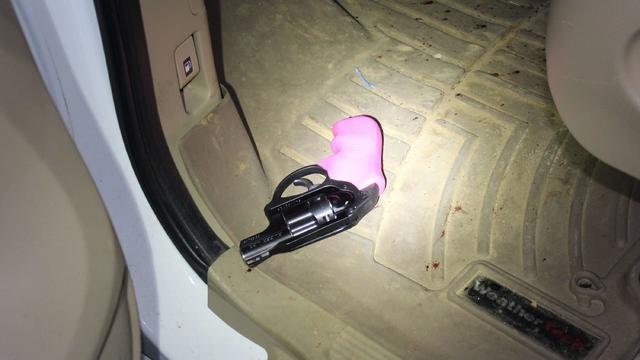
When Tiffiney Crawford was found dead inside her van, authorities believed she might have taken her own life. But could she shoot herself twice in the head with her non-dominant hand?
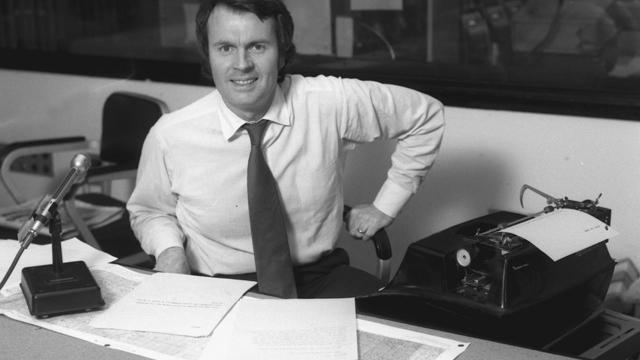
We look back at the life and career of the longtime host of "Sunday Morning," and "one of the most enduring and most endearing" people in broadcasting.

Cayley Mandadi's mother and stepfather go to extreme lengths to prove her death was no accident.
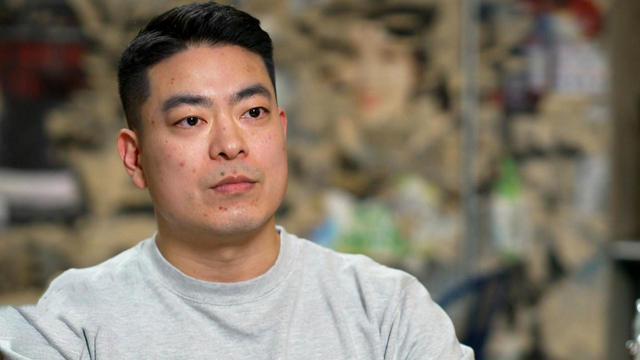
This week on "The Dish," "CBS Mornings" explores the increasingly popular Korean-American gastro-pub, Nowon, known for blending American and Asian cuisine.
As part of AAPI month, "CBS Mornings" partnered with the organization Gold House to celebrate its A 100 list, which recognizes this year's most impactful Asian-Pacific leaders. One of the honorees is actor Hoa Xuande. You may recognize him for his lead role in the HBO show "The Sympathizer." He stars alongside Sandra Oh and Robert Downey Jr. Jo Ling Kent met the rising star, whose unlikely Hollywood journey shows no signs of stopping.

Only six schools in Israel are not segregated among Arab and Jewish students. Educators at the handful of schools where Jewish and Arab students learn together are hoping to maintain peace and understanding amid the war in Gaza.

The U.S. paused a shipment of weapons to Israel last week over concerns about how those weapons might be used in a potential offensive in Rafah, a senior Biden administration official has confirmed to CBS News. CBS News' Ramy Inocencio and Nancy Cordes have more.
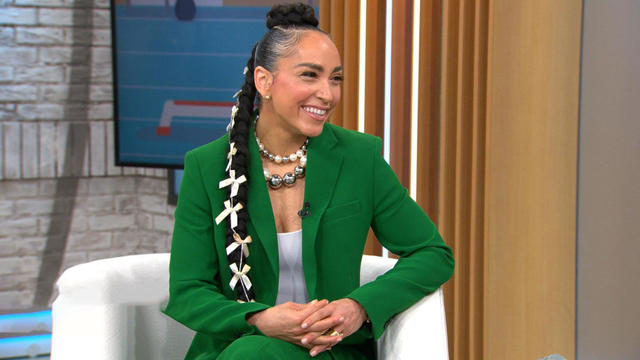
Peloton's head instructor and VP of Fitness Programming Robin Arzón joins "CBS Mornings" to talk about balancing motherhood with mental and physical strength.